What is the difference between a sharp, sudden chest pain and the tight, crushing pressure associated with a heart attack?
The difference between these two types of chest pain comes down to how different nerves in your body transmit pain signals.
Your heart and lungs share a deep, internal nerve network that isn't good at pinpointing exact locations, while your chest wall, muscles, and skin have sharp, highly localized nerve endings. Understanding this difference can help you figure out if a symptom is an emergency or something else.
🛑 The Heart Attack Sensation: Tight, Crushing Pressure
True cardiac chest pain—known medically as angina or an acute myocardial infarction (heart attack)—rarely feels like a "pain" in the traditional sense.
Because the nerves supplying the heart muscle only detect a global lack of oxygen (ischemia) rather than a physical cut, the brain struggles to map it exactly. Instead, it processes the sensation as an overwhelming, internal weight.
Key Characteristics:
The "Elephant on the Chest": Patients almost always describe it as a heavy, crushing, squeezing, or tight pressure. It can feel like a tight band being cinched around your torso or a heavy weight sitting on your breastbone.
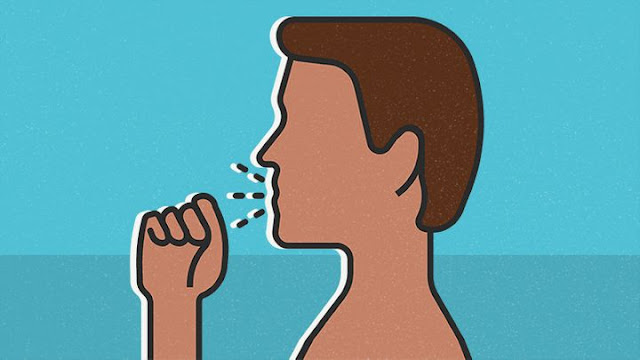
Diffuse & Un-pinpointable: If someone asks you to point to the pain, you won't be able to use a single finger. Instead, you will naturally place your entire fist or flat palm over the center of your chest (a classic medical sign known as the Levine Sign).
Radiating Discomfort: The dull pressure often creeps upward or outward, spreading into your jaw, neck, back, stomach, or down your left arm.
Unaffected by Movement: The pressure stays exactly the same whether you take a deep breath, push on your chest, twist your body, or change your posture.
⚡ The Non-Cardiac Sensation: Sharp, Sudden Pain
If the pain is sudden, stabbing, or feels like a sharp needle poke, it is far less likely to be a heart attack. These sensations are usually triggered by the pleura (the lining of your lungs), your ribs, your esophagus, or the muscles of your chest wall.
Key Characteristics:
Pinpointable: You can typically take one finger and point to the exact spot that hurts.
Changes with Breathing (Pleuritic Pain): If the sharp pain catches you or spikes noticeably when you take a deep breath, cough, or sneeze, it is usually a sign of lung lining inflammation (pleurisy) or a pulled chest muscle. The heart doesn't move significantly enough during a breath to cause a sharp spike in pain.
Positional changes: If twisting your upper body, stretching your arms, or bending over changes the intensity of the sharp pain, it points heavily to a musculoskeletal issue (like costochondritis—inflammation of the cartilage connecting your ribs to your breastbone).
Tender to the Touch: If physically pressing down on your chest wall with your fingers makes that specific sharp pain worse, it is almost certainly a muscle, bone, or cartilage issue, not your heart.
📊 Quick Contrast Guide
| Feature | Cardiac Pressure (Emergency) | Non-Cardiac Sharp Pain |
| Sensation | Squeezing, heavy weight, crushing constriction | Stabbing, slicing, sharp needle-like |
| Location | Broad, diffuse center of chest (cannot point to one spot) | Localized, side-specific (can point with one finger) |
| Triggers | Often brought on by exertion or stress; stays constant | Triggered/worsened by deep breaths, coughing, twisting |
| Physical Press | Pressing on the chest does not change the feeling | Pressing on the chest makes the exact spot hurt worse |
| Accompanying Signs | Cold sweats, nausea, shortness of breath, dizziness | Usually occurs alone or with localized soreness |
⚠️ The Important Exception
While this distinction holds true for the vast majority of cases, it is vital to know that atypical symptoms happen frequently.
Diabetics, elderly individuals, and women often do not experience the classic "crushing chest pressure" during a heart attack. Instead, their only warning signs might be sudden, unexplained shortness of breath, profound fatigue, an overwhelming wave of nausea, or a dull ache restricted entirely to the jaw or upper back.
The Golden Rule: If you are over the age of 40, have cardiovascular risk factors (like high blood pressure, high cholesterol, or diabetes), and experience a completely new, unexplained discomfort in your chest area that lasts more than a few minutes—even if it feels sharp or unusual—do not try to self-diagnose. Treat it as an emergency and seek medical attention immediately.