How will I know if he/she is going to have a heart attack?
Knowing whether someone is about to have or is currently experiencing a heart attack requires watching for both sudden, acute signs and subtle early warning signs that can actually appear days or even weeks in advance.
A heart attack doesn't always look like it does on television—people rarely just clutch their chest and instantly drop.
🚨 1. The Immediate "Right Now" Signs (Call 102/112 or 911)
If you notice someone showing these symptoms, treat it as an active emergency.
Broad Chest Discomfort: They may complain of pressure, tightness, squeezing, or a feeling of heavy fullness in the center or left side of their chest.
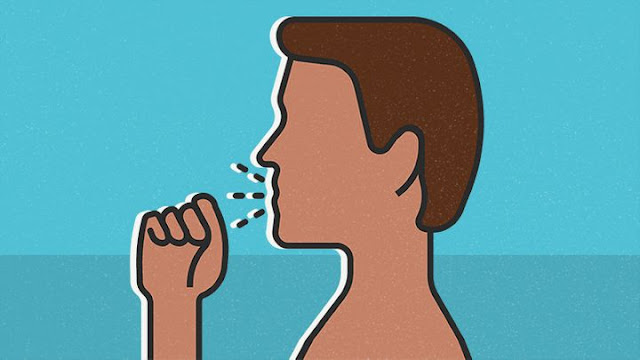
They won't be able to point to one exact spot with a finger; instead, they will hold their whole fist or palm over their chest. Radiating Pain: The discomfort spreads outward from the chest into their left arm, shoulder, upper back, neck, or jaw.
(Sometimes, jaw or back pain occurs without any chest pain). Unexplained Cold Sweat: They suddenly break into a heavy, clammy sweat even if the room is cool or they are sitting completely still.
Shortness of Breath: They are gasping for air, breathing heavily, or feel like they can't catch their breath, with or without chest pain.
Gastric Distress: They experience sudden, unexpected nausea, vomiting, or an intense burning that feels like a severe wave of acid reflux/indigestion.
Dizziness: They feel lightheaded, unsteady, or break out into a sweat while feeling faint.
⏱️ 2. The Early "Crescendo" Signs (Days or Weeks Before)
In many cases, the body gives brief, transient warnings that an artery is narrowing before it completely shuts down. These are called prodromal symptoms and typically show a "crescendo" pattern—meaning they get progressively more frequent or severe over a few weeks:
Exertional Chest Tightness (Stable Angina): They notice a mild squeezing or pressure in their chest that only happens when they exert themselves (like walking up a flight of stairs or lifting heavy items) but fades completely once they sit down and rest for a few minutes.
Unusual, Extreme Fatigue: They feel completely wiped out and exhausted by simple, daily tasks that used to be easy (e.g., feeling completely breathless or depleted after walking a very short distance), without any clear explanation.
Sleep Disturbances or Sudden Anxiety: They experience a new, unexplained difficulty sleeping or report an overarching, unshakeable sense of "impending doom" or a feeling that something is physically wrong with their body.
⚠️ 3. Who Experiences "Atypical" or Silent Symptoms?
It is critical to know that certain groups of people rarely get the classic "crushing chest pain." If the person is a woman, an older adult, or has diabetes, their symptoms are highly likely to be subtle or atypical:
Instead of chest pressure, a woman might only experience profound exhaustion, severe nausea, or a persistent, deep ache restricted entirely to her upper back or jaw.
An individual with diabetes may have damaged autonomic nerves, meaning they can undergo a heart attack with absolutely zero pain (a silent heart attack). Their only indicators might be a sudden, unexplained cold sweat, confusion, or sudden breathlessness.